
With the continued growth of downstream demand for amorphous alloy materials from distribution transformers and high-efficiency motors, WCAN Amorphous recently completed a comprehensive upgrade of its amorphous ribbon production line. This upgrade focuses on two key areas: rapid quenching process stability and winding precision, aiming to ensure material property consistency and batch stability from the source.
Rapid Quenching Process Further Optimized
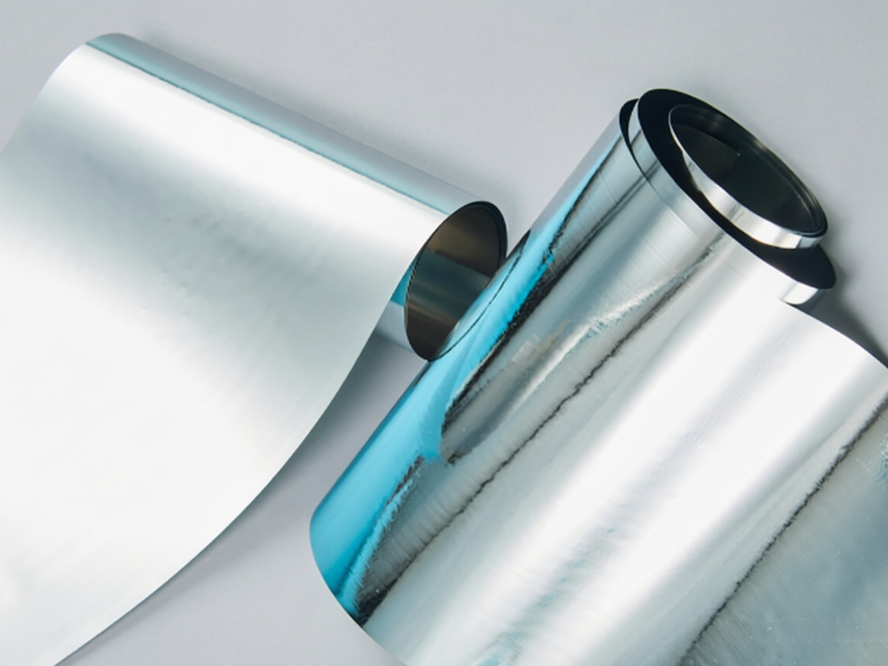
The core of amorphous ribbon production lies in rapid quenching forming: molten steel is sprayed through nozzles onto the surface of high-speed rotating cooling rolls, solidifying into thin strips about 25 to 30 micrometers thick at a cooling rate of millions of degrees per second. This upgrade systematically optimized the nozzle structure, roll surface temperature control, and cooling system, further narrowing ribbon thickness deviation and significantly improving surface finish, laying the foundation for the low-loss characteristics of subsequent transformer cores.
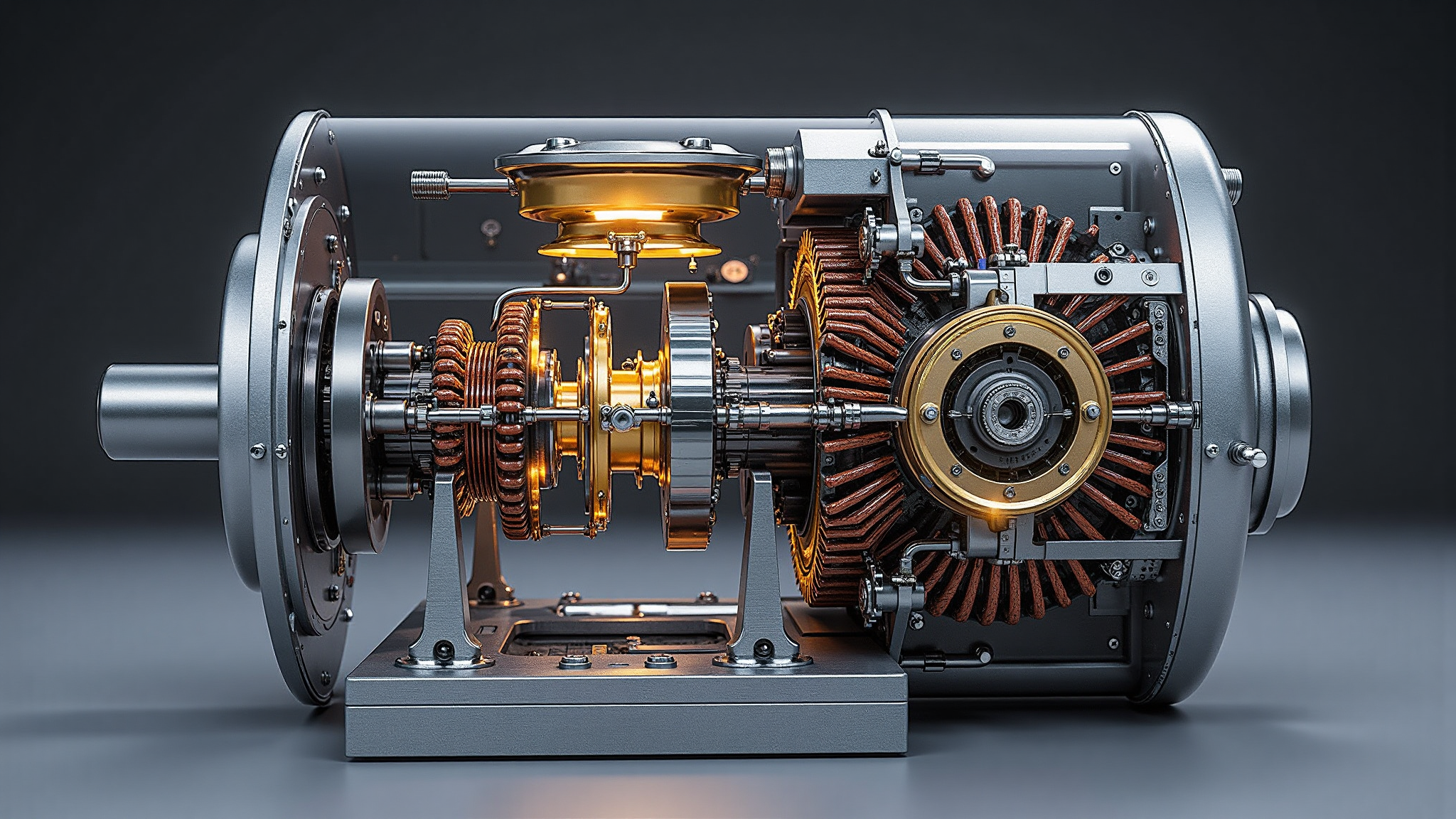
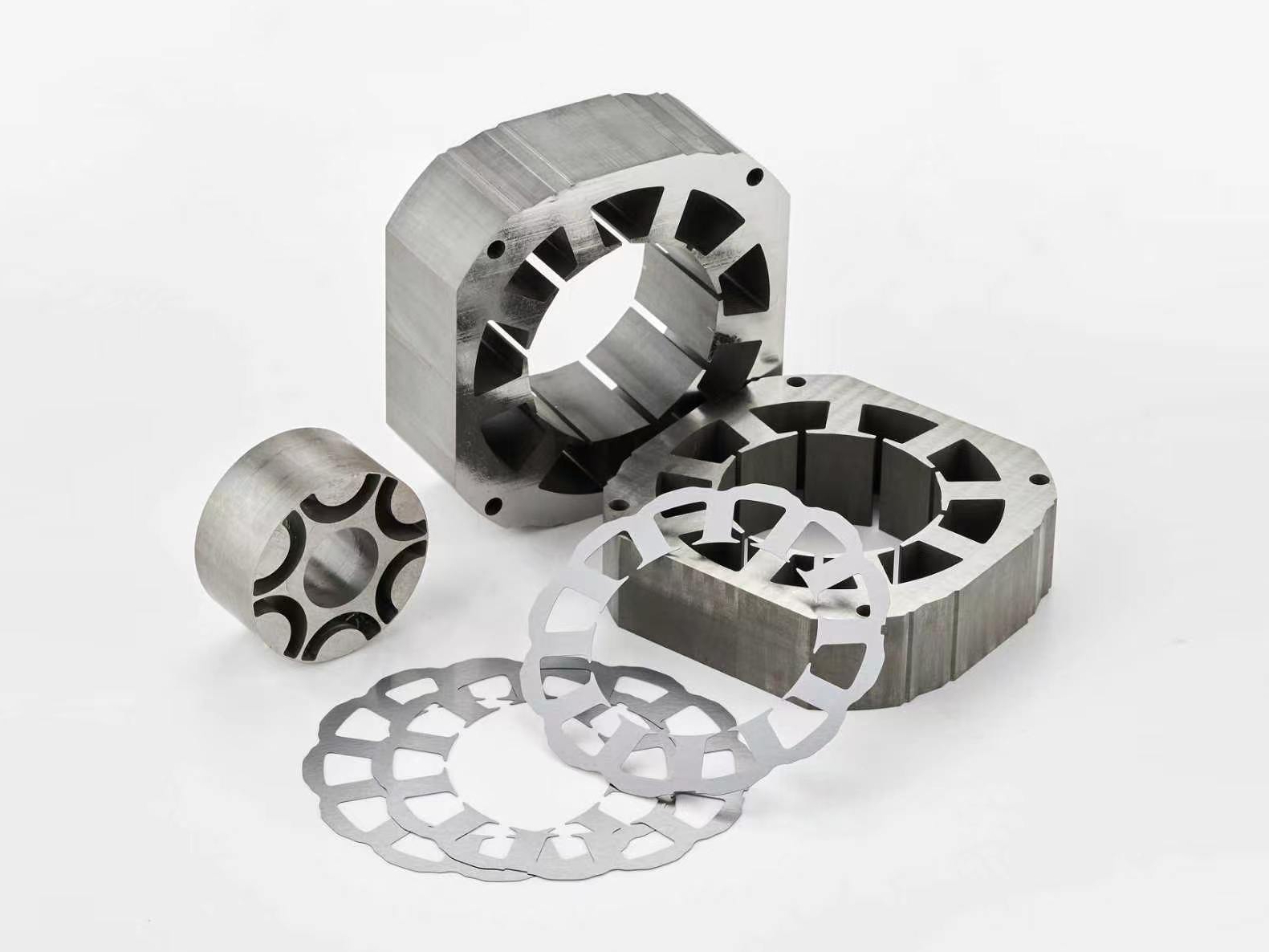
In the motor application direction, amorphous motor cores have extremely high requirements for ribbon lamination consistency. The upgraded production line, through precision winding and online detection, ensures stable and controllable magnetic properties of each roll of ribbon, thereby supporting the stringent demands of high-speed high-frequency motors for low iron loss and high energy efficiency.
Winding and Slitting Capacity Enhanced
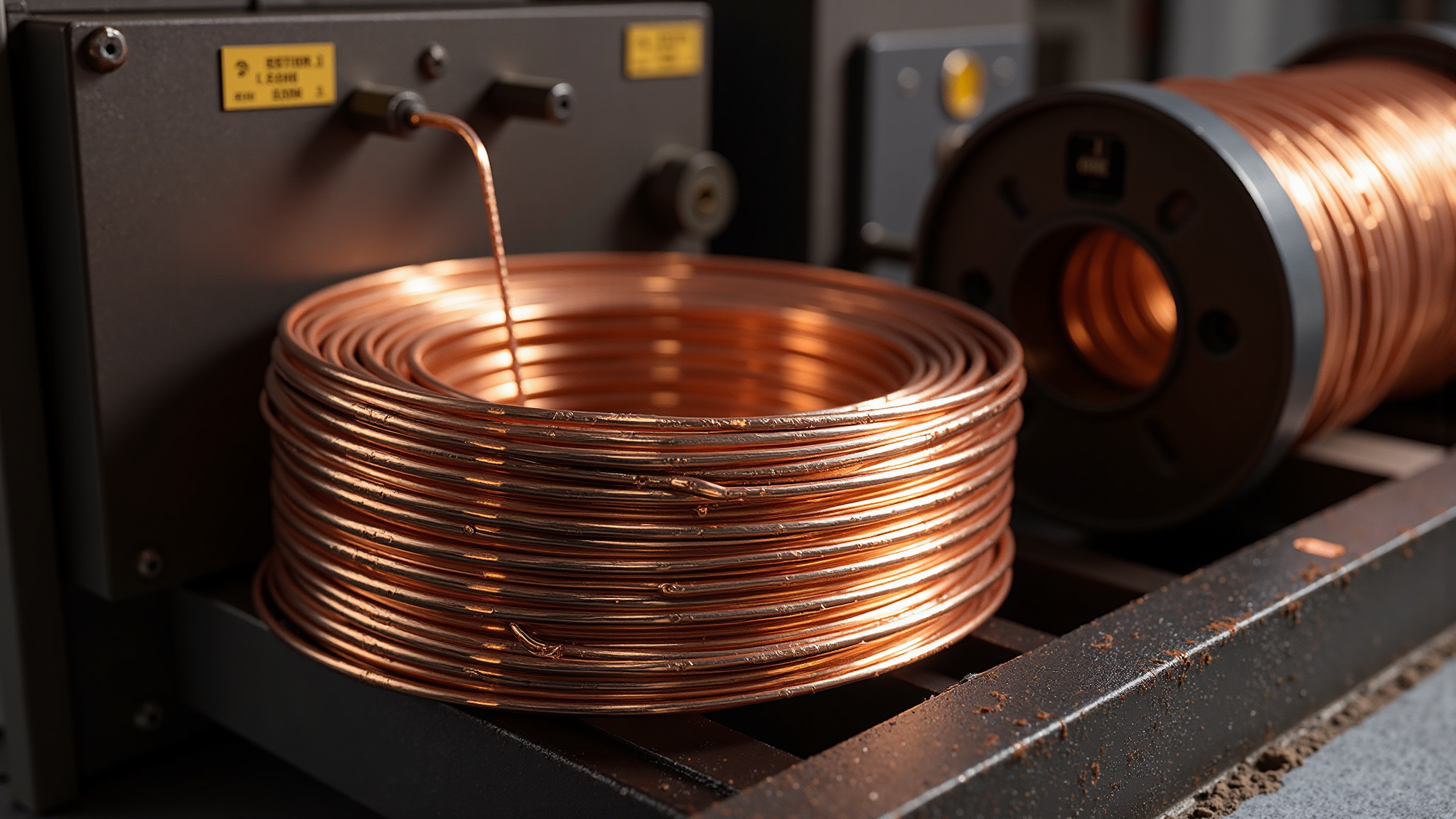
Around the different specification needs of transformer cores and motor cores, this upgrade simultaneously expanded the flexible manufacturing capabilities of winding and slitting production lines. Multiple specification ribbons can be quickly switched on the same production line, further shortening delivery cycles, and more flexibly responding to customer customization requirements for width, thickness, and roll diameter.
In the future, WCAN Amorphous will continue to increase investment in amorphous material R&D and manufacturing, relying on its 'amorphous ribbon - multi-layer composite - motor core' vertical integration layout, providing more competitive material solutions for green grids and high-efficiency motor industries.